Resilient Foams for Energy Return & Impact Absorption
When athletes sprint, jump, or log daily miles, the component working hardest beneath their feet is the midsole. Positioned directly between the outer traction sole and the interior comfort liner, the shoe midsole acts as the primary biomechanical engine of athletic footwear. It is engineered to absorb high-impact ground forces and instantly return energy with every stride.
At Fusion Foams, we supply advanced, high-resilience foam materials specifically formulated for midsole construction, enabling footwear brands to achieve an optimal balance of cushioning, stability, and long-lasting durability.
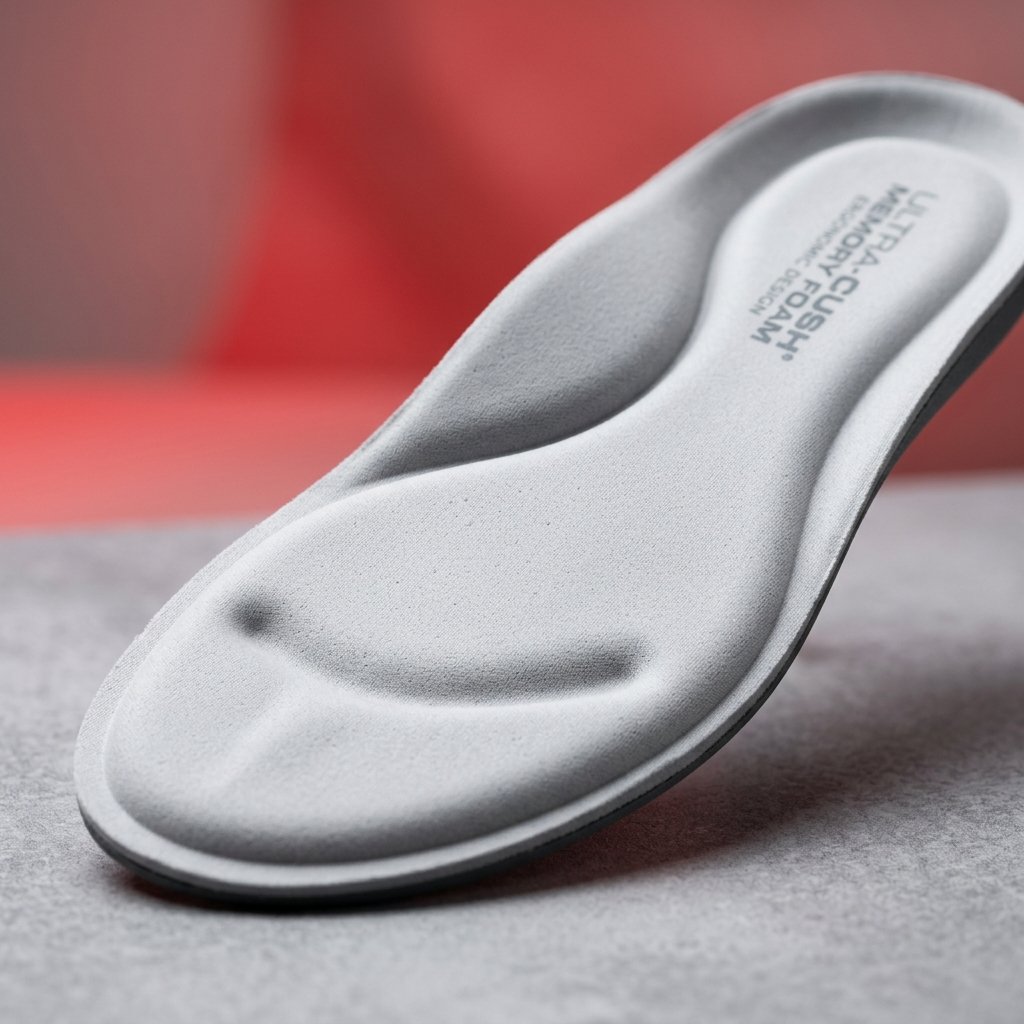 Top Layer
High-Resilience Cellular Structure Close-Up
A microscopic, high-magnification cross-section view of our specialized midsole foam, highlighting the uniform, elastic cell walls that snap back into shape instantly after compression.
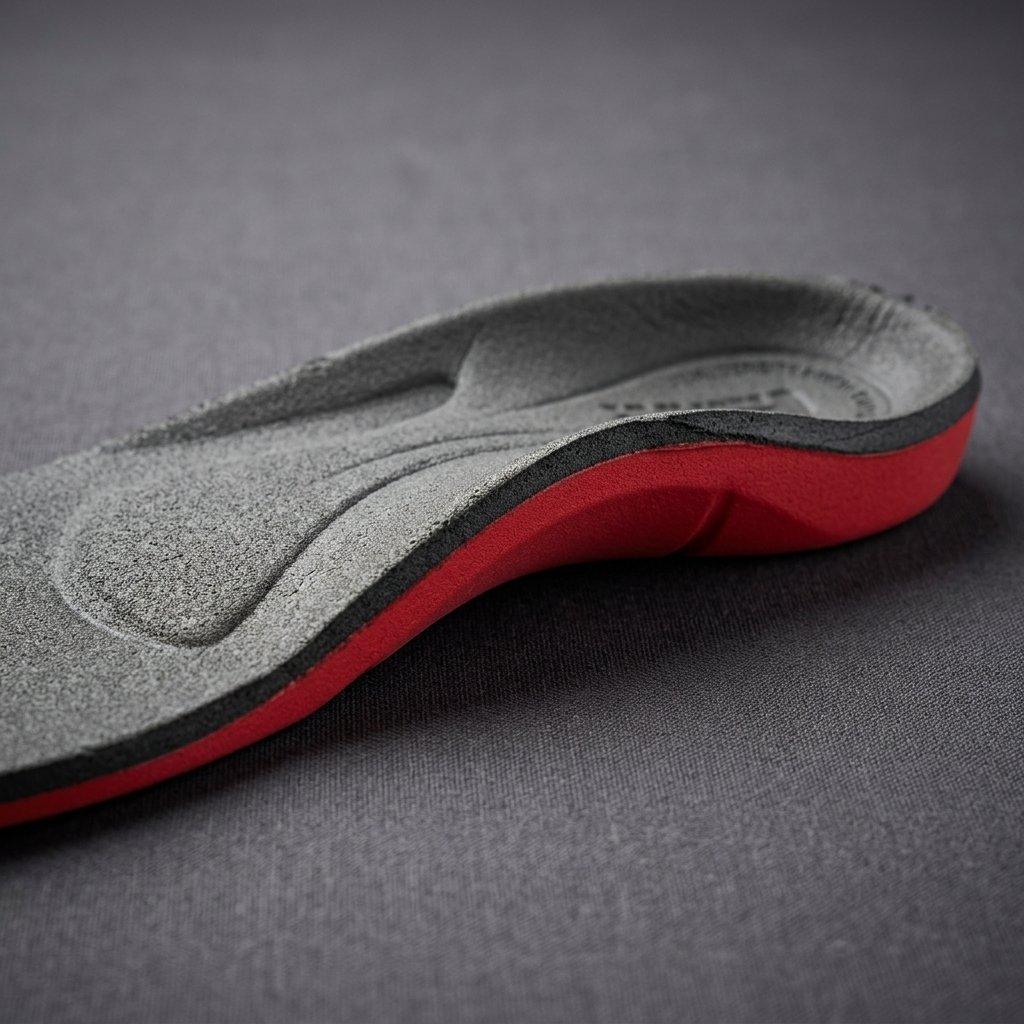 Core Layer
Impact Force Dissipation Thermal/Pressure Map
A digital foot-pressure comparison graphic demonstrating how a high-resilience Fusion Foams midsole absorbs and disperses heel-strike impact forces, shielding joints from shock.
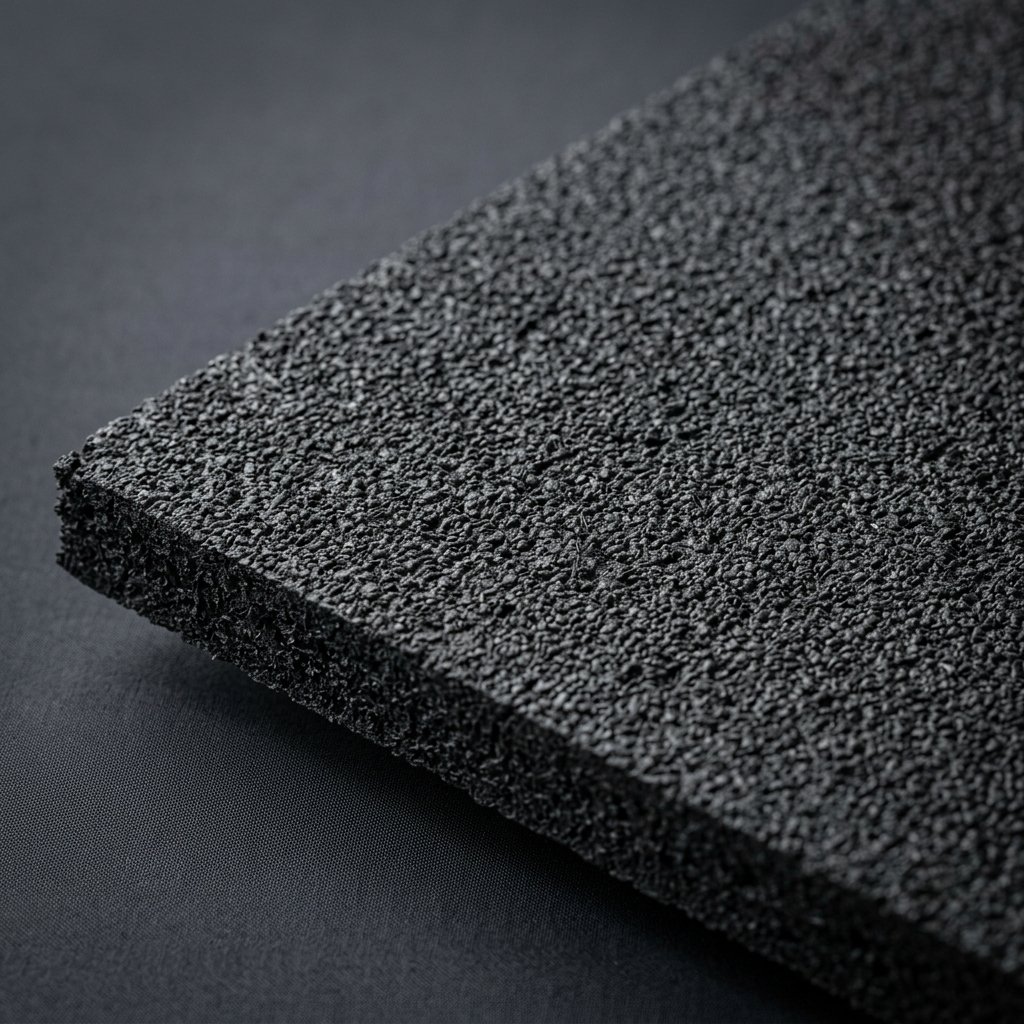 Base Layer
Dynamic Rebound & Energy Return Test
A high-speed capture sequence illustrating an athletic shoe midsole compressing under downward weight and immediately propelling upward, visually proving its dynamic energy-return capability.
Product Offerings from Fusion Foams for Midsoles
To meet the demanding performance parameters of athletic footwear, running shoes, and sports gear, we offer specialized foam solutions:
- EVA Foam Sheets (High-Resilience Grades):The core material for modern athletic midsoles. Our specialized EVA compounds offer a lightweight profile combined with superior rebound resilience, preventing premature flattening under repetitive impact.
- Cross-Linked Polyethylene (XLPE) Foam:Delivers exceptional structural rigidity and advanced energy distribution for high-performance sports footwear and specialty training shoes.
- Laminated Foam Fabric Combinations:Enables multi-density midsole layering, bonding high-shock absorption foam substrates with structural reinforcement fabrics.
Key Technical & Material Specifications
- Dynamic Rebound Resilience: Engineered with high energy-return properties to minimize runner fatigue and enhance propulsion.
- Compression Set Resistance:Highly resistant to permanent deformation, ensuring the midsole maintains its thickness and cushioning properties over hundreds of miles of use.
- Optimized Durometer Range: Balanced medium-to-firm hardness profiles (typically spanning 30 to 55 Shore A) that offer shock absorption without feeling overly spongy.
- Lightweight Cellular Design: Low-density formulations that reduce overall shoe weight, supporting agile athletic movement.
Best Practices for Midsole Production
- Precision CNC Routing & Die-Cutting: Midsole foam blocks and sheets can be easily shaped via precision die-cutting or CNC milling to match complex ergonomic contours and arch profiles.
- Moulding & Thermoforming Compatibility: Materials respond exceptionally well to heat-compression moulding, locking in complex 3D midsole geometries and sculpted heel cradles.
- Adhesive Bonding: Use flexible, high-bond polyurethane adhesives when joining midsole layers to outsoles and upper components to ensure structural integrity under flexing stress.
Frequently Asked Questions
Find clear answers to commonly asked questions about our Shoe Midsoles App products.
High-resilience EVA foam sheets and cross-linked polyethylene (XLPE) foams are the industry standard for midsoles due to their dynamic energy return and impact absorption capabilities.
High-grade midsole foams absorb high-impact ground reaction forces during running or jumping, diffusing the shock wave before it transfers to the runner joints.
Midsoles typically utilize balanced durometers ranging from 30 to 55 Shore A to provide a mix of plush cushioning and stable structural support.
Yes. Our specialized midsole formulations feature high resistance to compression set, ensuring the foam bounces back and resists permanent flattening over long-term use.
Yes. Our materials are fully compatible with heat-compression moulding, thermoforming, and precision die-cutting for complex shoe geometries.
They are widely utilized in running trainers, cross-training shoes, court sports footwear, and high-performance athletic gear.
Inferior foams lose their elasticity rapidly, suffer from permanent compression set ("bottoming out"), and fail to absorb impact, leading to foot fatigue and joint strain.
Because our materials are tailored to exact industrial specifications, please contact our commercial team directly to discuss your project requirements and request material samples.
Looking for Custom Orthopedic Composite Foam Sheets?
We supply orthopedic shoe component manufacturers and clinics with custom durometer sheets and CAD/CAM blocks.